A Trademark Is More Than a Logo
Names. Sounds. Slogans. And more.
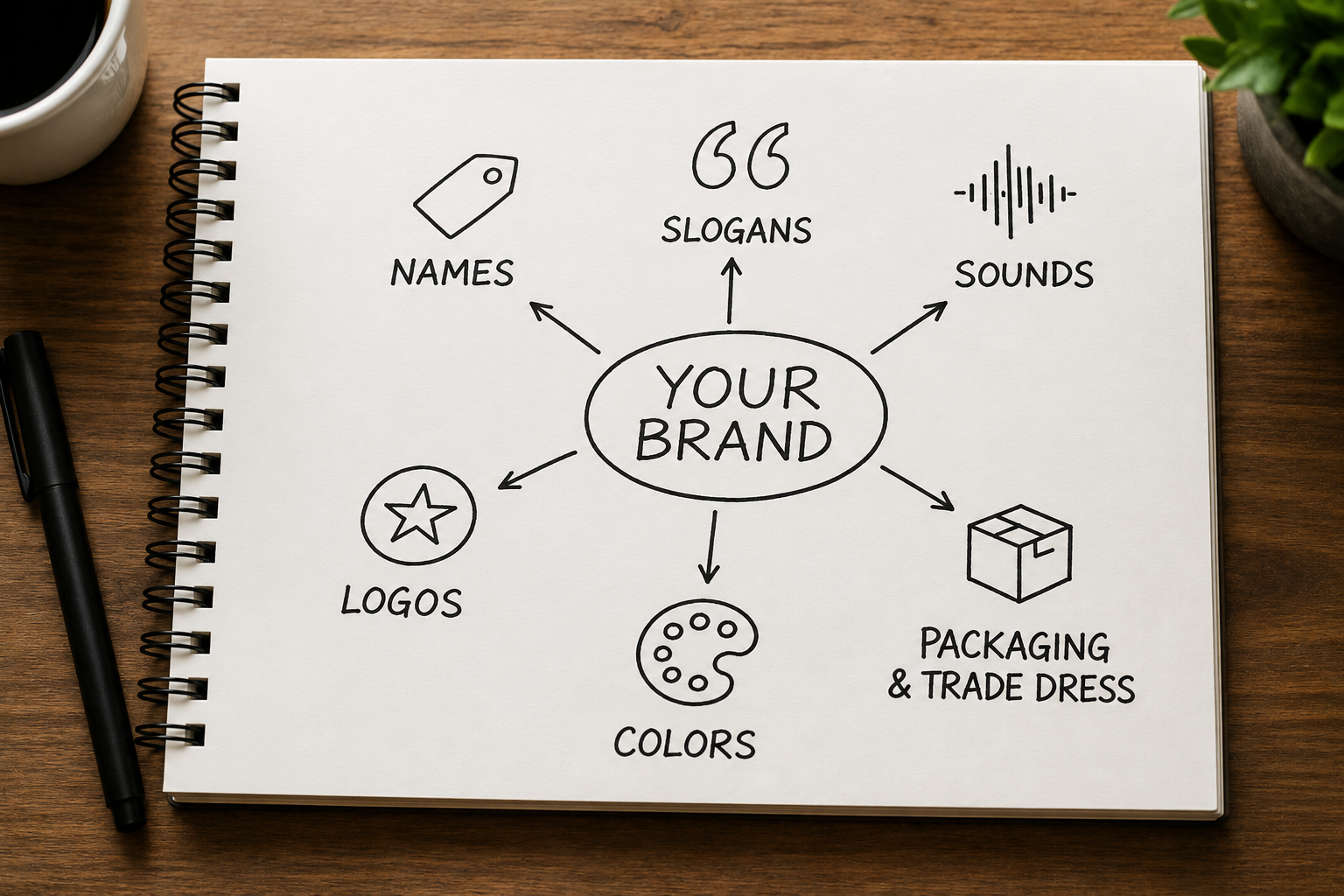
When most people think about trademarks, they picture a logo. They think of the graphic on a website, the image on a product package, or the design printed on a business card. While logos can certainly function as trademarks, they are only one piece of the trademark puzzle. In reality, trademarks can protect a variety of brand identifiers, including names, slogans, sounds, and other elements that help consumers recognize the source of goods or services. Understanding this distinction is important because many business owners focus exclusively on the visual aspects of branding while overlooking other valuable brand assets.
What Is a Trademark?
At its core, a trademark is an identifier. Its purpose is to help consumers recognize the source of a product or service and distinguish it from competitors in the marketplace. When consumers encounter a trademark, they associate it with a particular business, product, service, or brand. That trademark may take many different forms.
Trademarks Are Not Limited to Logos
Although logos are among the most recognizable types of trademarks, they are not the only things that can function as trademarks.
Depending on the circumstances, trademark protection may extend to:
- Business names
- Brand names
- Product names
- Service names
- Slogans and taglines
- Logos and design marks
- Certain sounds
- Distinctive packaging and trade dress
- Other distinctive identifiers associated with a brand
The key question is whether the identifier helps consumers recognize the source of the goods or services.
Yes, Even Sounds Can Be Trademarks
One of the most surprising concepts for many people is that a trademark does not have to be something you can see. In some circumstances, sounds can function as trademarks. Think about how quickly consumers recognize certain audio signatures associated with a company, product, or service. A distinctive sound can become so strongly associated with a brand that consumers immediately know who is behind it before a single word appears on the screen. That is exactly what trademark law is designed to protect—the connection between a brand and consumer recognition.
Why This Matters in Entertainment and Media
For creators, artists, production companies, and entertainment businesses, branding often extends far beyond a logo. A production company may become known for its name. A creator may become known for a catchphrase. A podcast may become recognizable through a distinctive introduction. A media company may develop branding elements that audiences instantly associate with its content. As entertainment businesses grow, these brand assets can become increasingly valuable. The logo may be important, but it is often only one component of a much larger brand identity.
The Business Lesson Behind Trademark Protection
Understanding that trademarks are more than logos can help business owners make better decisions when building a brand. One of the most common mistakes I see is entrepreneurs investing heavily in branding before determining whether the brand elements they want to use are available. The process often starts with excitement. A name is selected. A logo is designed. A website is built. Social media accounts are secured. Marketing materials are ordered. Only later does the business owner discover that another company may already be using a similar name or other brand identifier. At that point, changing direction can become expensive.
Don't Make This Expensive Branding Mistake
Before investing significant money in branding, it is important to understand what rights may already exist and whether your proposed brand identifiers can support your long-term goals. A trademark search may not be the most exciting part of launching a business, but it can help identify potential issues before substantial resources are invested. The earlier those issues are identified, the more options a business owner typically has.
Final Thoughts
A trademark is more than a logo. While logos are often the first thing people think about, trademarks can also include names, slogans, sounds, and other distinctive identifiers that help consumers recognize a brand. Whether you are launching a business, building a creator brand, starting a production company, or developing a new venture, understanding the broader scope of trademark protection can help you make smarter branding decisions and avoid costly mistakes down the road.