Should I Use an Option Agreement or a Purchase Agreement?
Understanding the difference can save you time, money, and unnecessary legal headaches
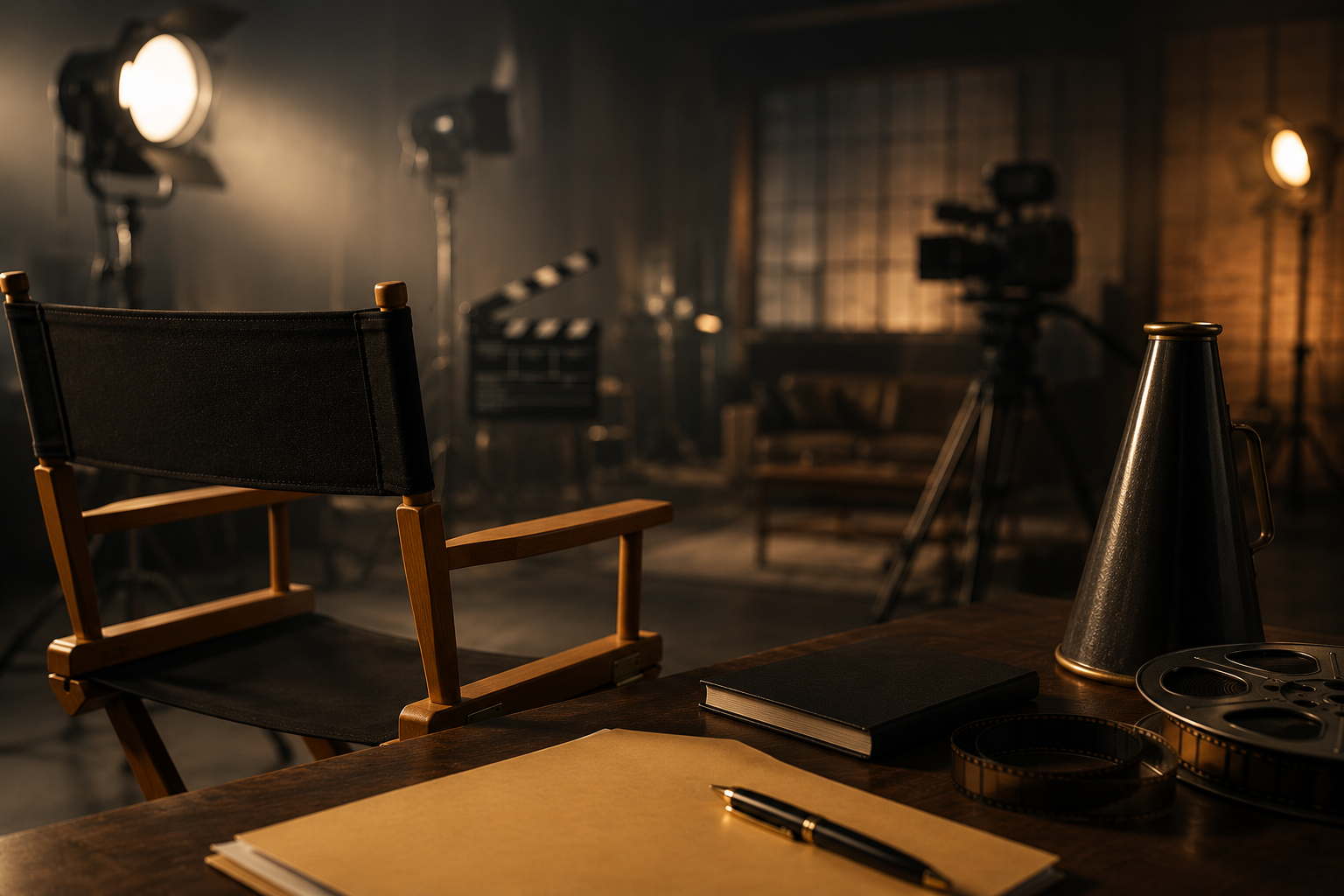
If you're producing a film based on a book, screenplay, article, podcast, or other creative work, one of the first legal questions you'll face is whether to use an option agreement or a purchase agreement.
Although the terms are sometimes used interchangeably, they serve very different purposes. Understanding the difference can save you time, money, and unnecessary legal headaches.
What Is an Option Agreement?
An option agreement gives a producer the exclusive right to purchase certain rights in a creative work during a specified period of time. Think of it as reserving the rights while you develop the project.
During the option period, a producer may:
- Seek financing
- Attach actors or a director
- Develop the screenplay
- Pitch the project to studios or investors
- Evaluate whether the project is commercially viable
In exchange for that exclusive opportunity, the producer typically pays the rights owner an option fee. If the producer decides to move forward before the option expires, the producer exercises the option and purchases the rights under the terms already negotiated.
What Is a Purchase Agreement?
A purchase agreement transfers the rights immediately. Instead of reserving the rights for a limited period, the buyer acquires ownership (or the agreed-upon rights) upon closing under the terms of the agreement. A purchase agreement is often appropriate when financing is already in place and the producer is ready to move directly into production.
The Most Overlooked Part of an Option Agreement
Here's the mistake I see people make. Some producers focus entirely on negotiating the option fee and don't spend enough time negotiating what happens if the option is exercised.
In many entertainment transactions, the purchase price is negotiated at the same time as the option agreement.
Why?
Because if the project gains momentum, the value of the underlying rights may increase dramatically.
Imagine you've spent months developing a project, attached talent, secured financing, and generated industry interest. If the purchase price wasn't established upfront, the rights owner may decide they now want substantially more money.
That can create unnecessary leverage at the very moment you're ready to move the project forward. Negotiating the purchase price as part of the option agreement provides certainty for both parties and helps avoid costly disputes later.
Which Agreement Is Right for You?
There isn't a one-size-fits-all answer.
An option agreement is often the better choice when a project is still in development and additional time is needed before committing to a full acquisition.
A purchase agreement may make more sense when financing is secured and you're prepared to acquire the rights immediately.
The right approach depends on the project, the parties involved, and the overall business strategy.
Final Thoughts
Every film project is different, and the agreement you choose should reflect your production goals and business objectives.
Understanding the distinction between an option agreement and a purchase agreement is about more than legal terminology. It's about protecting your investment and positioning your project for success from the very beginning.
If you're acquiring rights for a film, television, or other entertainment project, taking the time to structure the deal correctly can save significant time, expense, and uncertainty later.
Need help negotiating or reviewing an option agreement or purchase agreement for your film project? Schedule an Entertainment Business Strategy Session with to discuss your project before you sign.