
How Do I Protect My Screenplay Before Sending It Out?
Learn the practical legal steps every screenwriter should take before sharing a script with producers, agents, competitions, or studios.
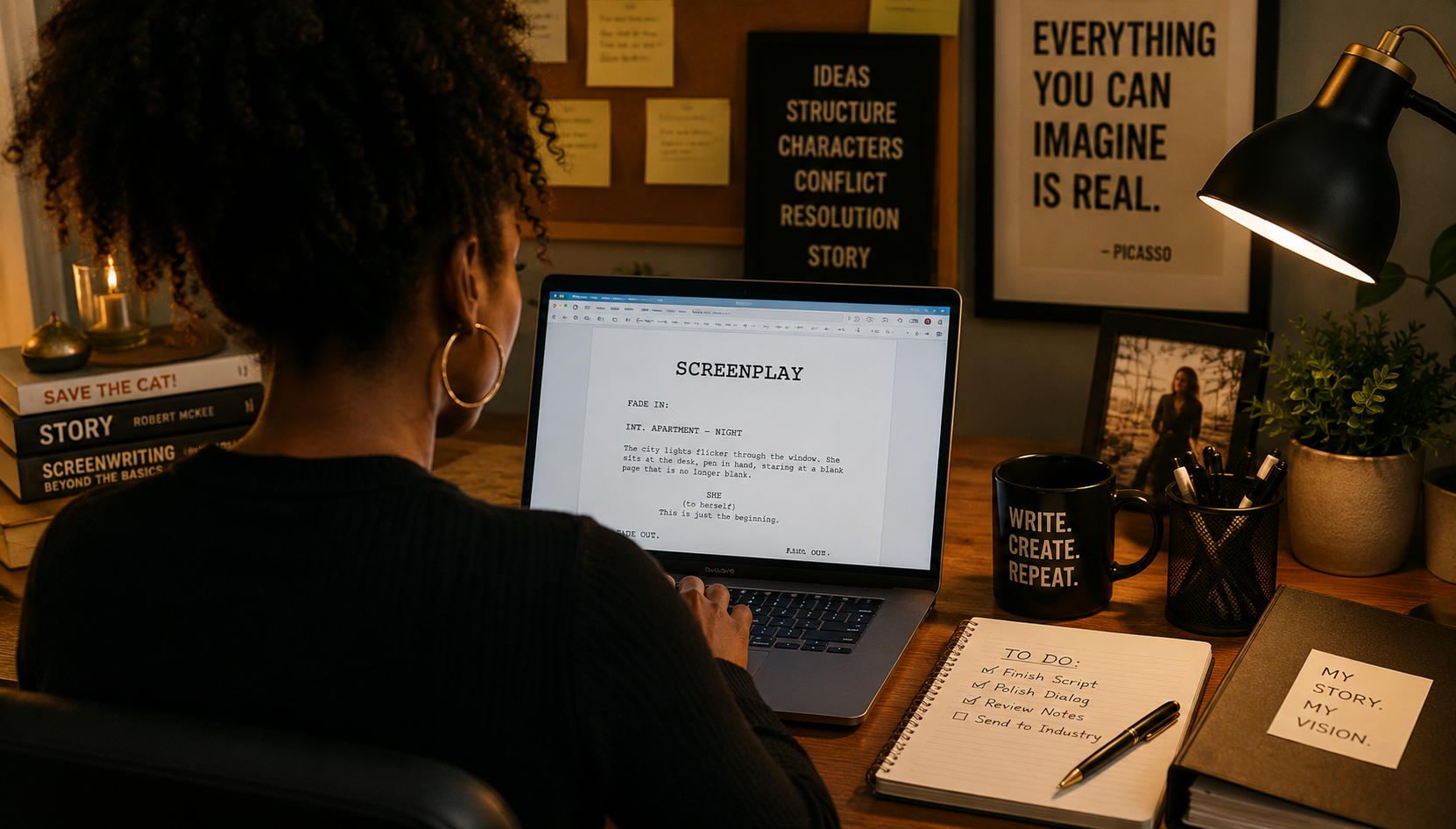
Every screenwriter has the same fear.
"What if someone steals my idea?"
It's understandable. You've spent months—or even years—developing your screenplay. The last thing you want is to lose control of your work before it ever reaches the screen.
The good news is that copyright law already provides important protections. The better news is that there are several practical steps you can take to strengthen your position before you start sending your screenplay to the industry.
Here's what every writer should know.
1. Your Screenplay Is Protected by Copyright the Moment You Create It
One of the biggest misconceptions among writers is that a screenplay isn't protected until it's registered. That's simply not true.
Under U.S. copyright law, your screenplay receives copyright protection the moment you create it and fix it in a tangible form—whether that's typing it on your computer, handwriting it, or saving it as a digital document.
That means you automatically own the copyright from the moment the work is created. However, automatic protection and being able to effectively enforce your rights are two different things.
2. Register Your Screenplay with the U.S. Copyright Office
Although registration isn't required for copyright ownership, it is one of the smartest legal steps a writer can take.
Registering your screenplay:
- Creates an official public record of ownership.
- Is generally required before filing a copyright infringement lawsuit in federal court.
- May allow you to recover statutory damages and attorney's fees if your work is registered within the required timeframes under copyright law.
For many writers, registration costs far less than the legal problems it can help prevent. The process can be completed online through the U.S. Copyright Office and is well worth the investment.
3. Understand Submission Releases (and Why Many Companies Won't Sign an NDA)
Many first-time writers assume every company should sign a Non-Disclosure Agreement (NDA).
In reality, that's rarely how the entertainment industry works. Production companies, studios, networks, and many contests often require writers to sign a submission release before reviewing unsolicited material.
These agreements typically acknowledge that:
- The company receives many similar ideas.
- They are not obligated to produce your project.
- Similar concepts may already be in development.
Independent producers or smaller companies may occasionally agree to an NDA, but most established entertainment companies will not. Before signing any submission release, take the time to read it carefully and understand exactly what rights you're giving—or not giving—away.
4. Keep Detailed Records of Your Creative Process
Good recordkeeping can become valuable evidence if ownership is ever questioned.
Consider maintaining:
- Earlier screenplay drafts
- Revision history
- Research notes
- Outline documents
- Emails discussing development
- Cloud backups with date stamps
These materials can help establish the timeline of your authorship if a dispute arises later.
5. Consider Writers Guild Registration
Many professional writers also register their screenplay with the Writers Guild of America (WGA). WGA registration provides an additional record showing you possessed the material on a particular date. However, it's important to understand what it does—and doesn't—do.
A WGA registration does not replace federal copyright registration with the U.S. Copyright Office. Instead, it serves as an additional layer of documentation that some writers find helpful.
6. Be Selective About Who Receives Your Screenplay
Not every opportunity is a good opportunity.
Before sending your screenplay:
- Research the company or producer.
- Verify submission guidelines.
- Use official submission portals whenever possible.
- Avoid sending unsolicited scripts to random individuals online.
- Keep a record of where and when you submitted your work.
Professional organizations and reputable production companies typically have established submission procedures for a reason.
7. Remember: The Goal Is to Get Your Screenplay Made
Many writers become so worried about someone stealing their work that they never send it anywhere. Ironically, the biggest risk often isn't theft—it's letting your screenplay sit on your hard drive forever.
Protect your work.
Understand your legal rights.
Then focus on building relationships with legitimate producers, agents, managers, and entertainment professionals who can help move your project forward.
A screenplay can't become a film if no one ever reads it.
Final Thoughts
Protecting your screenplay isn't about living in fear. It's about being prepared.
Understanding copyright, registering your work when appropriate, keeping good records, and working with reputable industry professionals can help you protect what you've created while positioning yourself for future opportunities.
The entertainment industry rewards creators who combine great storytelling with smart business decisions.
Your screenplay deserves both.
Frequently Asked Questions
Do I need to copyright my screenplay before sending it out?
Your screenplay is automatically protected by copyright once it's created and fixed in a tangible form. However, registering it with the U.S. Copyright Office provides important legal benefits if infringement occurs.
Is WGA registration the same as copyright registration?
No. WGA registration documents the date you possessed your work, while U.S. Copyright Office registration provides the legal protections available under federal copyright law.
Should producers sign an NDA before reading my screenplay?
Usually not. Most established studios, production companies, and contests require submission releases instead of NDAs.
Can someone legally steal my screenplay idea?
Copyright protects the expression of your screenplay—not general ideas or concepts. Two writers can independently create similar stories without infringement. What the law protects is the original way you've expressed your story.