
On Location: Filming in New Jersey
Why identifying who controls every part of a production footprint is essential to the schedule, budget and success of a shoot
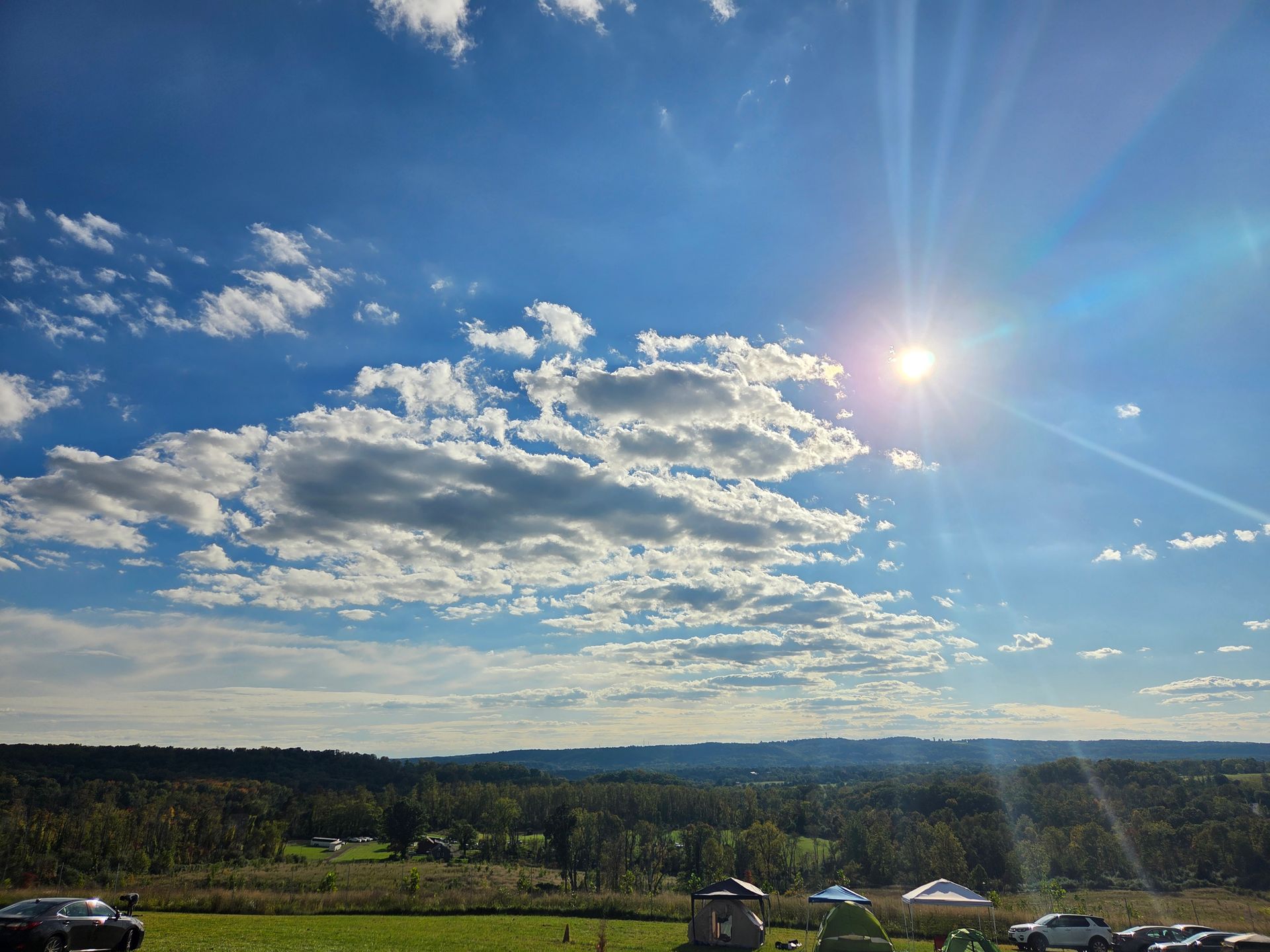
New Jersey offers filmmakers an extraordinary range of locations. A production can move from an urban downtown to a historic district, a beach, a state park, a suburban neighborhood or an industrial corridor without leaving the state.
Finding the right visual setting, however, is only one part of location planning.
Before a production locks a location, it must determine who controls every area the production intends to use. That answer may involve more than the owner of the property appearing on camera.
A Filming Location Is More Than What Appears in the Frame
Consider a production filming inside a privately owned restaurant.
The restaurant owner may authorize the production’s use of the interior. But the production may also need space outside the building for equipment, generators, production vehicles, cast and crew holding, parking or pedestrian control.
The sidewalk may be controlled by the municipality. The roadway may be controlled by the municipality, the county or the State. A nearby park used for holding may require a separate approval. If the production intends to use a drone, restrict traffic or occupy adjoining public property, additional agencies may become involved.
The production’s legal and operational footprint is often larger than the image captured by the camera.
That is why the right question is not merely, “Who owns the location?”
The better question is, “Who controls every space and activity this production will use?”
Different Property Can Mean Different Approval Processes
The New Jersey Motion Picture and Television Commission notes that counties, municipalities, state and county parks, historic sites, highways, railroad and airport terminals and other locations may have their own production requirements.
A municipal filming approval does not necessarily cover property controlled by the county or the State. Likewise, authorization to film on state or county property may not cover the use of municipal streets, sidewalks, parking or public services associated with the shoot.
For example, the New Jersey Department of Transportation requires a permit when a production films on or otherwise occupies property owned or maintained by the State. That can include filming that impedes traffic, affects access to a state roadway, uses NJDOT property for parking or involves drone activity over state property or traffic.
Commercial filming in a New Jersey state park, forest or historic site requires a State Park Service Special Use Permit. The State Park Service requires an application at least 90 days before the activity. For a large or complex production, it recommends significantly more lead time.
The distinction between private, municipal, county, state and federal control is not merely technical. It determines where the production applies, what information must be submitted, how long the process may take and what conditions may be imposed.
Location Control Is a Scheduling and Budgeting Issue
When an additional controlling authority is discovered late, the consequences can extend throughout the production.
A new approval may require additional lead time, insurance, fees, police or fire personnel, traffic planning, notice to surrounding businesses or residents, revised parking arrangements or changes to how equipment is placed.
Those requirements can affect:
- The shooting schedule
- Crew call times
- Equipment and vehicle placement
- Cast and crew holding
- Base camp
- Parking and transportation
- Insurance coverage
- Police, fire and public-safety costs
- Neighborhood or business coordination
- Whether the planned scene is feasible at that location
A location may be visually perfect and operationally unworkable. Identifying that conflict after the location has been contracted, the crew has been hired and the shooting date has been announced can create avoidable costs and delays.
Map the Entire Production Footprint Before Locking the Location
Effective location planning requires the production to look beyond the camera position.
Before committing to a location, the production should identify:
- Where principal photography will occur
- Where cameras, lighting, sound equipment and generators will be placed
- Where production vehicles will load, unload and park
- Where cast and crew will hold
- Whether sidewalks, streets, parks or other public areas will be occupied
- Whether pedestrian or vehicle access will be affected
- Whether the scene involves drones, special effects, stunts, theatrical firearms or other regulated activity
- Which public agencies or private parties control each area
- How the various approvals fit into the production schedule
This analysis should happen during location planning, not after the location has been treated as final.
Film Ready Communities Can Help Streamline the Process
New Jersey’s Film Ready program helps participating municipalities prepare to host film and television productions.
Certified Film Ready communities have trained representatives, designated local film liaisons, established permitting processes and identified local resources that may support production.
That infrastructure can make it easier for a production to identify the appropriate municipal contacts and understand the local process.
However, the production must still examine its complete footprint. A shoot within a Film Ready municipality may also involve county property, a state roadway, a park, a transit facility or another separately controlled location.
Film Ready provides an important starting point. It does not replace the need to identify every entity with authority over the proposed production activity.
New Jersey Location Planning Requires Coordination
New Jersey’s density and diversity are among its greatest production advantages. They can also create overlapping layers of property control within a relatively small geographic area.
The restaurant, sidewalk, roadway, parking area and nearby park used for a single scene may each involve a different decision-maker.
For producers, the goal is not merely to collect approvals. It is to coordinate the location, schedule, budget, insurance and operational plan before the production reaches the set.
A great location is not truly production-ready until the production knows who controls every space it intends to use.
Mason Firm, LLC advises film and television productions on the legal and business issues that arise throughout production in New Jersey.